Enable Central & State governments to digitize mental health policy, scale citizen screening, and drive evidence-based decision-making through Manodayam’s integrated platform.
Manodayam’s platform transforms fragmented mental health initiatives into a unified, data-driven ecosystem. Integrate seamlessly with Tele-Mental Health centre and distress call centers to achieve four critical policy objectives.
Digitize mental wellness reporting across all government touchpoints—citizen calls, patient interactions, distress reporting—creating unified compliance and governance frameworks.
Voice biomarker screening embeds passively into existing communication channels, eliminating friction while generating continuous, real-time mental health intelligence.
Central compute platform aggregates anonymized data to reveal population-level mental health trends, intervention efficacy, and evidence-based policy recommendations.
Real-time alerts trigger immediate referrals through Tele-Mental Health care and district mental health programs, enabling proactive crisis prevention at scale.
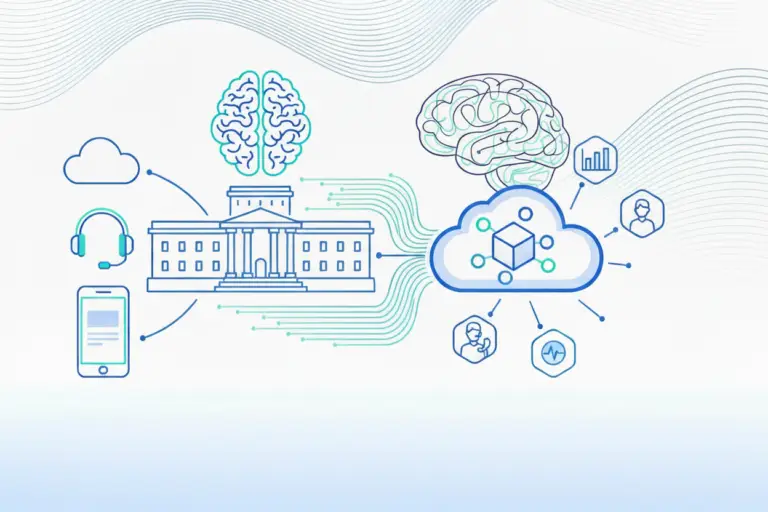
Manodayam centralizes mental health data from all government touchpoints, applies voice biomarker analysis at scale, and transforms raw data into actionable policy intelligence
| Capability | Without Manodayam | With Manodayam |
|---|---|---|
| Data Integration | Siloed systems; manual reporting | Real-time unified data lake with consent-managed sharing |
| Screening Coverage | Voluntary questionnaires; low response rates | Continuous passive screening across all touchpoints; 100% coverage |
| Risk Identification | Manual assessment; prone to bias; delays | Real-time AI-powered risk stratification; immediate alerts |
| Policy Analytics | Quarterly/annual reports; limited trending | Real-time dashboards; predictive insights; regional comparisons |
| Intervention Efficacy | Outcome tracking optional; incomplete data | Automated monitoring of all referral outcomes; efficacy metrics |
| Research Capability | Limited data for large-scale studies | Central repository enabling epidemiological research, RCTs, policy trials |
We offer tailored voice biomarker screening programs to meet the unique wellness needs of different industries.
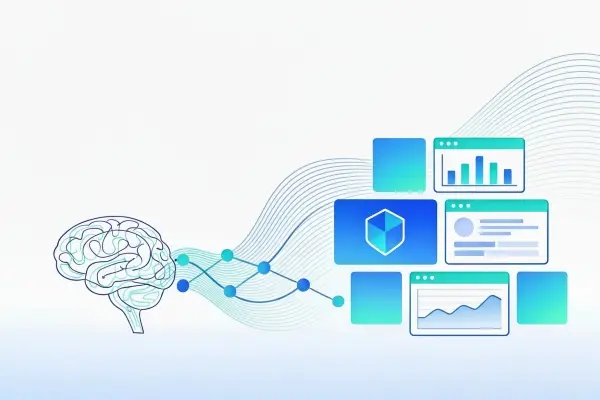
Use Case: A state government wants to deploy 100 new counselors across 30 districts. Using Manodayam data to identify which districts have highest distress prevalence, longest wait times, and poorest intervention outcomes. Allocate resources data-driven rather than politically driven.
Use Case: Ministry of Health recognizes youth suicide rates are rising. Manodayam data reveals high-risk profiles by age, occupation, regional factors. Design and pilot targeted prevention programs in highest-risk populations before scaling nationally.
Use Case: A state wants to launch new Tele-Mental health care counselor training program. Track outcomes via Manodayam: improved intervention completion? Reduced escalation to crisis? Better patient satisfaction? Data-driven decisions on whether to expand or revise training.
Use Case: District mental health programs have limited psychiatrists. Manodayam data can enable which cases truly need specialist care vs. trained counselor management. Optimize specialist utilization; reduce wait times for high-complexity cases.
Use Case: Government commits to health equity in mental wellness. Manodayam dashboards can reveal disparities: rural vs. urban, marginalized vs. privileged populations. Design targeted programs to close access gaps.
Use Case: Central government can now partner with Research based institution to conduct epidemiological study using Manodayam data. First large-scale characterization of mental health burden in India using voice biomarkers. Shapes next 5-year National Mental Health Plan.
Partner with Manodayam to digitize mental wellness policy, integrate voice biomarker screening with Tele-MANAS and eSanjeevani, and enable evidence-based decision-making at scale.
Real-world impact metrics governments can track and optimize.
Current scale achievable with Manodayam’s enhanced screening; identify high-risk cases for targeted intervention.
Passive voice screening across all government touchpoints enables universal mental health surveillance.
Real-time alerts + automated routing through Tele-Mental Healthcare increases intervention uptake vs. traditional models.

Automated risk stratification focuses expert time on high-complexity cases; routine cases managed by trained counselors.
Continuous monitoring of mental health status, intervention efficacy, and resource utilization enables rapid-cycle policy optimization.
Central data repository enables epidemiological studies, RCTs, and policy trials driving national mental health innovation.
Manodayam embeds voice biomarker analysis directly into Tele-Mental health flows. When citizens call the care centre, their voice is analyzed in real-time to generate mental health risk scores alongside counselor-citizen conversation. This provides instant triage information, enabling counselors to prioritize high-risk cases, recommend appropriate interventions, and route to specialists seamlessly. No changes required to existing call infrastructure—pure value-add analytics layer.
Voice biomarker analysis happens in real-time with immediate feature extraction. Raw voice audio is not stored or transmitted—only anonymized acoustic biomarkers are retained for longitudinal tracking. All data handling complies with DPDP Act 2023, medical data security standards, and government data protection protocols. Citizens provide explicit consent for screening. Government health departments maintain full data ownership; Manodayam operates as a processing partner under government direction.
The policy data hub aggregates anonymized screening data from all government touchpoints (Tele-MANAS, eSanjeevani, distress centers, AAMs) into unified dashboards. Governments can visualize: population-level mental health prevalence by region/age/occupation, intervention efficacy metrics, referral completion rates, specialist utilization, high-risk population identification, and trend analysis. This enables data-driven resource allocation, preventive program targeting, policy optimization, and evidence-based decision-making at state and national levels.
Manodayam acts as the central data repository for government-led mental health research. Research based Institutions / Academias partners can access anonymized, aggregated data to conduct epidemiological studies, test intervention efficacy, explore health equity questions, and develop evidence for policy innovations. This creates virtuous feedback loop: research generates insights → governments implement evidence-based policies → new data validates outcomes → next-generation research. Multi-institutional review boards oversee all research protocols ensuring privacy and ethical compliance.
Yes. Manodayam’s voice biomarker models are culturally adapted across India’s linguistic landscape—Hindi, English, Tamil, Telugu, Kannada, Malayalam, Bengali, Marathi, and other regional languages. Vocal stress indicators, speech patterns, and emotional markers are calibrated for each language/cultural context. This ensures accurate screening across India’s diverse population without requiring physical assessments or questionnaires—enabling truly universal mental health surveillance.
Manodayam’s voice-based screening works across all connectivity contexts—even basic phone networks enable passive biomarker analysis. Policy data dashboards specifically track rural vs. urban disparities: screening coverage, intervention access, specialist availability, outcome equity. Governments use these insights to target resources to underserved populations, design mobile clinics, scale tele-consultation capacity, and measure equity improvements. Continuous monitoring ensures no population is left behind in mental health transformation.
Governance structures include: State Mental Health Authorities maintain data ownership and control; Regular audits of voice biomarker models and decision logic; Multi-institutional oversight boards review research and policy use; Transparent data handling protocols with government agencies; Regular reporting to health ministries on screening coverage, referral patterns, and outcomes. Manodayam operates under government direction—not as autonomous system, but as digital infrastructure serving government policy objectives and accountable to health administrators.
Transform fragmented mental health data into unified, actionable intelligence. Enable rapid-cycle policy optimization. Drive measurable improvements in citizen mental wellness outcomes.
